Antonella Messi : La Femme Incontournable Derrière le Génie de Messi in 2026

Introduction
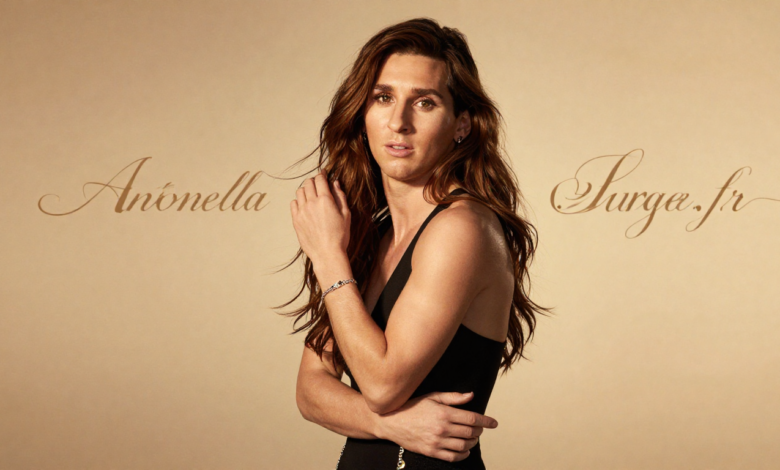
Dans les stades du monde entier, les gens crient le nom de Lionel Messi. Mais il y a une personne qui connaît ce nom bien mieux que quiconque, qui l’a entendu murmuré dans les rues de Rosario quand il n’était qu’un enfant timide et rêveur. Cette personne, c’est Antonella Messi, l’épouse de la légende vivante du football.
Antonella Roccuzzo, devenue Antonella Messi, n’est pas une joueuse de football professionnel. Elle est quelque chose de bien plus important dans l’histoire de Lionel Messi : elle est sa stabilité, son ancre, la mère de ses trois enfants et la personne qui a toujours cru en lui, même avant que le monde entier ne le reconnaisse.
Dans cet article, vous allez découvrir toute l’histoire d’Antonella Messi. Nous couvrons son parcours depuis Rosario jusqu’à Miami, son mariage historique avec Lionel Messi, son rôle dans la vie familiale du champion du monde, sa présence médiatique, son influence et pourquoi elle est bien plus qu’« la femme de Messi ». Vous comprendrez pourquoi Lionel Messi lui-même reconnaît qu’il n’aurait jamais réussi sans elle à ses côtés.
Qui est Antonella Messi ? Biographie Complète
Les Origines à Rosario : Une Histoire d’Enfance Entrelacée
Antonella Roccuzzo est née le 10 février 1994 à Rosario, en Argentine, la même ville où est né Lionel Messi le 24 juin 1987. Cette ville de la province de Santa Fe sera le berceau de l’une des plus belles histoires d’amour du football mondial.
Née Antonella Roccuzzo, elle grandit dans un environnement familial solide et stable. Sa famille est bien intégrée dans la communauté de Rosario. Elle est la cousine de Lucas Scaglia, un ami d’enfance de Lionel Messi. C’est cette connexion familiale qui les rapproche tous deux et qui lance l’histoire qu’aucun d’entre eux ne pouvait alors imaginer.
Antonella a sept ans de moins que Lionel. À l’époque de son enfance à Rosario, elle voit ce jeune footballeur de talent qui commence à jouer pour les équipes locales. Elle n’imagine pas alors qu’elle épousera ce garçon timide et discret qui semblait davantage intéressé par le football que par la vie sociale.
La Rencontre et les Débuts de la Relation
Lionel Messi et Antonella Roccuzzo se connaissent depuis l’enfance, mais leur relation amoureuse démarre véritablement quand Messi atteint l’adolescence. L’enfant timide de Rosario visite régulièrement la maison de la famille Scaglia, en grande partie pour voir Antonella. Cet amour silencieux et patient durera des années avant d’être officiellement reconnu.
En 2007, Lionel Messi reconnaît publiquement sa relation avec Antonella Roccuzzo. À cette époque, il est en train de devenir une star à Barcelone, où il vit depuis 2000 après avoir été recruté par le FC Barcelona à l’âge de 13 ans. Antonella quitte Rosario pour le rejoindre à Barcelone, marquant le début d’une nouvelle vie ensemble.
Une Vie Discrète Mais Centrale
Contrairement à beaucoup d’épouses de footballeurs célèbres, Antonella Messi a choisi de rester relativement discrète dans sa vie publique. Elle n’aspire pas à la célébrité. Elle n’utilise pas sa position pour construire une carrière médiatique. Son objectif principal reste la famille et le bien-être de Lionel et de leurs enfants.
Cette discrétion a renforcé le mythe autour d’Antonella. Les fans du football reconnaissent qu’elle est la raison secrète du succès de Messi. Elle est le rocher sur lequel il se repose chaque soir après des entraînements épuisants et des matchs éreintants.
Le Mariage : Un Moment Inoubliable en 2017
La Cérémonie à Rosario : Une Célébration Argentine
Le 30 juin 2017, Lionel Messi et Antonella Roccuzzo se marient à Rosario, dans leur ville natale. C’est une décision symbolique. Ils auraient pu se marier à Barcelone où ils vivaient depuis tant d’années. Ils auraient pu choisir Paris ou une destination exotique. Mais non, ils choisissent de revenir là où tout a commencé.
La cérémonie est grandiose. Plus de 250 invités assistent au mariage. Les plus grands noms du football mondial sont présents. Des joueurs qui ont partagé des années avec Messi, des personnalités du football argentin et mondial. C’est une célébration à la hauteur de la stature de Messi, mais profondément humaine et ancrée dans leurs racines.
Lionel Messi se montre particulièrement ému lors de cette cérémonie. Ce moment représente bien plus qu’un mariage. C’est la reconnaissance officielle de l’amour qui existe depuis l’enfance, l’engagement envers la femme qui n’a jamais cessé de croire en lui, même quand le monde entier doutait qu’il réussirait en tant que footballeur en raison de sa taille et de ses problèmes de croissance.
L’Importance de la Vie Familiale
Après le mariage officiel en 2017, Antonella et Lionel consolident leur vie conjugale. Ils sont déjà parents de trois enfants : Thiago (né le 2 novembre 2012), Mateo (né le 11 septembre 2015) et Ciro (né en mars 2018). Le mariage ne change pas grand-chose à leur vie quotidienne, mais il symbolise leur engagement mutuel à vie.
La famille Messi fonctionne selon des principes d’unité et de soutien mutuel. Antonella n’est pas seulement l’épouse. Elle est aussi la mère qui gère l’éducation des trois garçons, qui veille à maintenir un équilibre entre la vie extraordinaire de Lionel et une vie aussi normale que possible pour leurs enfants.
La Vie de Famille : Trois Fils et Une Stabilité Remarquable
Thiago, Mateo et Ciro : Les Trois Garçons
Antonella Messi a donné à Lionel trois fils. Thiago, l’aîné, est né avant même que Lionel et Antonella ne soient formellement en couple. Thiago est le premier-né, celui qui a changé la vie du couple et les a poussés à s’engager davantage.
Mateo, le deuxième fils, naît en 2015. Thiago et Mateo sont tous deux nés à Barcelone, dans la période dorée de Messi au FC Barcelona. Ciro, le plus jeune, naît en 2018 et grandit davantage dans un environnement de stabilité familiale.
Les trois garçons grandissent en voyant leur père jouer au plus haut niveau. Ils assistent à des matchs historiques, rencontrent des légendes du football et voient comment l’excellence se cultive au quotidien. Mais Antonella s’assure qu’ils restent des enfants normaux, avec des valeurs normales, loin de l’arrogance ou de la suffisance que la richesse et la célébrité peuvent développer.
La Gestion de la Vie Quotidienne
Antonella gère la vie quotidienne de la famille avec une compétence remarquable. Elle s’occupe de l’éducation des enfants, de leurs devoirs, de leurs activités extrascolaires. Elle voyage avec Lionel à travers le monde, adaptant la famille à chaque nouveau contexte : Barcelone, Paris, Miami.
Ce que peu de gens réalisent, c’est le travail considérable que représente de maintenir une vie familiale stable quand votre mari est l’une des personnes les plus célèbres de la planète. Antonella réussit ce défi avec une grâce remarquable.
L’Impact Personnel sur la Carrière de Messi
La Stabilité Émotionnelle
Lionel Messi lui-même a reconnu l’importance d’Antonella dans sa vie. Dans les interviews, il parle de l’importance d’avoir une famille stable, d’avoir quelqu’un qui le comprend au-delà du footballer, au-delà de l’image publique.
Cette stabilité émotionnelle a un impact direct sur les performances sportives de Messi. Les psychologues du sport savent que la stabilité personnelle contribue directement à la performance athlétique. Quand Messi rentre à la maison après un match ou un entraînement, il rentre auprès d’une femme et de trois enfants qui l’aiment pour ce qu’il est, pas pour les buts qu’il marque ou les trophées qu’il gagne.
La Présence Discrète Mais Capitale
Antonella est présente à chaque grande occasion. Elle est au stade pour les matchs importants. Elle est aux côtés de Messi lors des cérémonies des Ballon d’Or. Elle est sur le terrain lors des célébrations après la victoire en Coupe du Monde 2022 en Qatar. Chaque grande joie de Lionel est partagée avec elle.
Cette présence constante, bien que discrète, a une importance psychologique énorme. Lionel Messi sait qu’Antonella croit en lui. Il sait qu’elle l’aime indépendamment de ses performances. Cette sécurité affective lui permet de joueur librement, sans la pression de devoir prouver quelque chose à la personne la plus importante de sa vie.
La Vie à Miami : Une Nouvelle Aventure
L’Adaptation à la Vie Américaine
En 2023, Lionel Messi signe avec l’Inter Miami CF, son premier club américain. Antonella et les enfants déménagent à Miami. C’est un déménagement majeur. Ils quittent l’Europe où ils ont passé presque toute leur vie adulte, pour s’installer en Amérique du Nord.
Miami est très différente de Barcelone ou de Paris. Le climat, la culture, le mode de vie. Mais Antonella s’adapte remarquablement bien. Elle s’établit à Miami, crée un environnement familial stable, et permet aux enfants de découvrir une nouvelle culture tout en maintenant leurs valeurs fondamentales.
La Vie Quotidienne à South Beach
À Miami, la famille Messi jouit d’une vie un peu plus discrète qu’en Europe. South Beach offre plus d’espace, plus de confidentialité. Antonella et Lionel sont photographiés ensemble au gymnase, dans les restaurants chics de Miami, mais généralement de manière moins oppressante qu’en Europe.
Antonella gère les écoles des enfants à Miami, leurs amis, leurs activités. Elle s’implique dans la communauté de manière subtile. Elle n’utilise pas sa position pour se projeter dans les médias. Elle reste essentiellement ce qu’elle a toujours été : une mère et une épouse dévouée.
La Présence Médiatique : Balance Entre Vie Privée et Image Publique
Les Réseaux Sociaux et la Communication
Antonella Messi utilise les réseaux sociaux de manière très sélective. Elle n’est pas une influenceuse. Elle ne monétise pas sa vie. Elle partage occasionnellement des photos de famille, des moments intimes, des messages de soutien à Lionel. Ses publications sont toujours réfléchies et significatives.
Quand elle poste une photo ou un message, c’est parce qu’elle a quelque chose à dire, pas pour attirer les likes ou les commentaires. Cette approche la rend authentique aux yeux des millions de followers qu’elle a gagnés simplement parce qu’elle est mariée à Lionel Messi.
Les Interviews Rares Mais Mémorables
Antonella donne très peu d’interviews. Mais quand elle parle, ses paroles sont percutantes. Elle a parlé de l’importance de maintenir une vie de famille normale malgré la célébrité. Elle a discuté de comment elle élève ses enfants pour qu’ils restent humbles. Elle a partagé ses sentiments lors de moments importants comme la victoire en Coupe du Monde 2022.
Ces rares apparitions médiatiques renforcent le mystique autour d’Antonella. Elle est respectée, admirée, aimée, et elle ne fait rien pour attirer cette attention. C’est justement cette authenticité qui la rend si attachante aux yeux du public.
Les Valeurs Familiales : L’Éducation des Enfants
Maintenir la Normalité Malgré l’Extraordinaire
Le défi le plus important qu’Antonella relève chaque jour est de maintenir la normalité dans la vie de ses enfants malgré l’extraordinaire status de leur père. Lionel Messi raconte régulièrement qu’il vit une vie très normale en dehors de sa célébrité de footballeur. C’est largement grâce à Antonella que cela est possible.
Thiago, Mateo et Ciro ne sont pas élevés pour être les enfants de Messi. Ils sont élevés pour être des personnes décentes, responsables, compétentes. Antonella s’assure qu’ils font leurs devoirs, qu’ils font preuve de respect envers les autres, qu’ils comprennent la valeur du travail acharné et de la persévérance.
L’Importance du Respect et de l’Humilité
Bien qu’ils vivent dans le luxe, les enfants Messi sont enseignés le respect et l’humilité. Antonella parle régulièrement à ses fils de l’importance de donner en retour à la communauté, de traiter tout le monde avec dignité, indépendamment de leur statut social.
Cette éducation porte ses fruits. Nous voyons rarement les enfants de Messi se comportant de manière arrogante ou prétentieuse. Ils semblent des enfants heureux et bien équilibrés, et cela est en grande partie due au travail d’Antonella en tant que mère.
Conclusion
Antonella Messi est bien plus que « la femme de Lionel Messi ». C’est la pierre angulaire de sa vie, la raison pour laquelle il a pu se concentrer sur son excellence athlétique sans se soucier de sa vie personnelle. C’est la mère qui élève trois enfants avec sagesse et intégrité. C’est la partenaire qui a cru en lui quand ils partageaient les rues de Rosario, bien avant que le monde ne reconnaisse son génie.
Son histoire est celle d’une femme qui a choisi de rester dans l’ombre, de soutenir discrètement, de construire une vie familiale stable. Dans un monde où la célébrité est recherchée, Antonella représente la contre-culture du véritable pouvoir : celui qui s’exerce sans avoir besoin d’être vu.
Quand Lionel Messi soulève un trophée ou marque un but décisif, Antonella est là, discrètement fière. C’est ça, le vrai partenariat du football. Pas une figure publique aux côtés d’un footballeur, mais une femme et un homme qui se soutiennent mutuellement dans la construction d’une vie extraordinaire ensemble.
Et vous, pensez-vous que le rôle des épouses et des familles dans le succès des athlètes est suffisamment reconnu ? Partagez votre opinion en commentaire et transmettez cet article à quelqu’un qui apprécie l’histoire complète de Lionel Messi, pas seulement son talent sur le terrain.
Questions Fréquentes sur Antonella Messi
1. Qui est Antonella Messi ? Antonella Messi, née Antonella Roccuzzo le 10 février 1994, est l’épouse de Lionel Messi depuis 2017. Elle est mère de trois enfants : Thiago, Mateo et Ciro. Elle est une figure importante dans la vie de Messi, bien qu’elle reste discrète face aux médias.
2. D’où vient Antonella Messi ? Antonella vient de Rosario, en Argentine, la même ville que Lionel Messi. Elle connaît Lionel depuis l’enfance et ils sont ensemble depuis le milieu des années 2000.
3. Quand Antonella et Lionel Messi se sont-ils mariés ? Lionel Messi et Antonella Roccuzzo se sont mariés le 30 juin 2017 à Rosario, en Argentine. C’est une cérémonie grandiose qui a accueilli plus de 250 invités du monde du football.
4. Combien d’enfants Antonella et Lionel Messi ont-ils ? Antonella et Lionel Messi ont trois fils : Thiago (né en 2012), Mateo (né en 2015) et Ciro (né en 2018). Tous trois sont nés à Barcelone. Les trois enfants sont des garçons.
5. Où vit Antonella Messi en 2026 ? Depuis 2023, Antonella vit à Miami en Floride avec sa famille. Lionel Messi joue pour l’Inter Miami CF, et la famille s’est adaptée à la vie américaine.
6. Quel est le rôle d’Antonella Messi dans la vie de Lionel ? Antonella est la base stable de la vie de Lionel Messi. Elle gère la vie familiale, s’occupe de l’éducation des trois enfants et fournit le soutien émotionnel qui a permis à Messi de se concentrer sur son excellence athlétique.
7. Antonella Messi est-elle active sur les réseaux sociaux ? Oui, Antonella a une présence sur Instagram, mais elle n’est pas une influenceuse au sens traditionnel. Elle partage occasionnellement des photos de famille et des messages de soutien à Lionel.
8. Comment Antonella élève-t-elle les enfants de Messi ? Antonella s’efforce de maintenir la normalité malgré la célébrité. Elle enseigne à ses enfants des valeurs comme le respect, l’humilité et l’importance du travail acharné, indépendamment de la richesse et du statut de leur père.
9. Lionel Messi a-t-il parlé de l’importance d’Antonella ? Oui, Lionel Messi a reconnu à plusieurs reprises l’importance d’Antonella dans sa vie, décrivant sa vie comme très normale grâce au soutien familial qu’elle fournit.
10. Y a-t-il eu des rumeurs sur le mariage d’Antonella et Lionel Messi ? Il y a eu des rumeurs sans fondement au fil des années, mais elles ont toutes été démenties. L’ami proche de la famille, Cesc Fabregas et sa femme Daniella Semaan, ont démenti publiquement les fausses allégations.
also read: creativesurge.fr
À Propos de l’Auteur : Isabelle Fontaine est journaliste et rédactrice spécialisée dans les histoires de vie, la famille et la culture du football depuis neuf ans. Elle s’intéresse particulièrement aux figures féminines qui jouent des rôles importants dans la vie des grands athlètes, mais qui restent souvent dans l’ombre. Passionnée par les histoires d’amour durables et les partenariats familiaux solides, Isabelle croit que chaque grande réussite cache une femme, une famille ou une communauté qui soutient discrètement. Elle écrit actuellement un livre sur les épouses et partenaires de légendes du football.