

Understanding Multifamily Properties
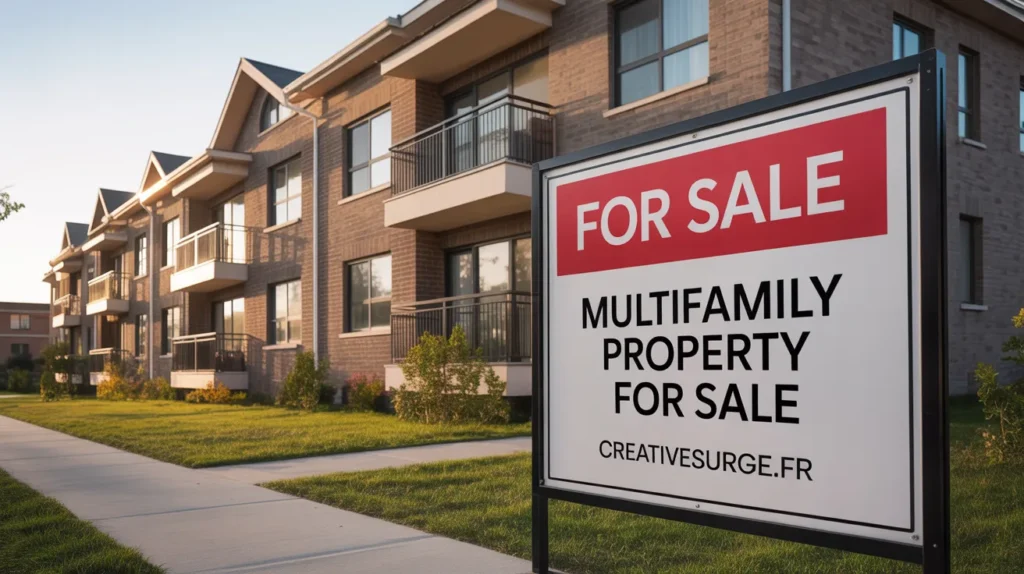
Multifamily properties are residential structures that accommodate multiple separate housing units within a single building or complex. This category of real estate includes duplexes, triplexes, apartment buildings, and condominiums, among others. Unlike single-family homes, which consist of standalone units designed for one family, multifamily properties are specifically designed to house multiple households, making them a distinct segment of the real estate market.
A key characteristic of multifamily properties is their ability to generate rental income from more than one tenant. Each unit within a multifamily property is typically leased to different families or individuals, providing owners with a steady stream of revenue. This rental income can often offset mortgage payments and other costs, making multifamily investments appealing to real estate investors seeking to diversify their portfolios.
Furthermore, multifamily properties come in various forms, catering to different market segments. For instance, a small multifamily property may consist of just a few units, offering more intimate living spaces, while larger complexes can encompass hundreds of units, offering a wider range of amenities. Investors may choose to buy multifamily properties for sale based on the type, size, and location that aligns with their financial goals.
The popularity of multifamily properties as an investment option is attributed to their potential for appreciation in value, tax benefits, and the possibility of economies of scale in property management. Additionally, as urban populations continue to grow, the demand for rental housing remains steady, further enhancing the attractiveness of multifamily investments. Thus, understanding the multifamily property for sale landscape can help investors identify promising opportunities in an ever-evolving market.
The Benefits of Investing in Multifamily Properties
Investing in multifamily properties for sale provides a myriad of advantages that can significantly enhance an investor’s portfolio. One of the primary benefits is the potential for consistent cash flow. Unlike single-family homes, which generate income only from a single tenant, multifamily properties allow for multiple tenants. This diversification means that even if one unit is vacant, rental income from the remaining units can still support cash flow, aiding in covering mortgage payments and maintenance expenses.
Furthermore, economies of scale play a critical role in the value of multifamily investments. Property maintenance can be more cost-effective at scale; for instance, repairing common areas or installing energy-efficient systems can save significant amounts compared to managing multiple single-family homes. According to industry studies, the operational costs per unit tend to decrease as the number of units increases, thus maximizing profitability.
Another compelling reason to consider multifamily properties for sale is their resilience during economic downturns. Historically, rental demand tends to remain stable even in recessionary periods, as housing options in multifamily setups are often more affordable than single-family homes. Consequently, investors may find that their properties remain occupied, mitigating the risk of total income loss during tough economic times. This resilience is particularly appealing for those seeking a reliable investment in uncertain markets.
Lastly, multifamily properties offer diversity in tenant income, as unit types such as studios, one-bedroom, and two-bedroom apartments can attract a varied tenant demographic. This diversity not only enhances cash flow stability but also reduces the impact of any potential economic fluctuations on a particular tenant group. In summary, investing in multifamily properties delivers robust financial advantages, making them a prudent choice for both seasoned and new investors alike.
Key Considerations When Looking for Multifamily Property for Sale
Investing in a multifamily property for sale can be a significant opportunity, but it requires careful consideration to ensure a successful investment. One crucial aspect to evaluate is the location of the property. Properties situated in prime locations tend to attract more tenants, leading to higher occupancy rates and rental income. Conducting thorough market research to assess neighborhood demographics, job growth, and amenities can help identify the best locations for multifamily investments.
Another factor to consider is the condition of the property. Buyers should conduct a comprehensive inspection to determine any immediate repairs or renovations that may be necessary. Properties that require substantial repairs may involve higher upfront costs and affect the expected return on investment. Additionally, it’s important to consider the age of the property and the potential need for future maintenance, which can impact cash flow.
Financial viability is also a key consideration. Prospective investors should analyze the potential income versus expenses to ensure the property can generate a profit. Understanding the current rental rates in the area and forecasting future trends can provide valuable insights into the property’s potential earnings. Utilizing financial models and consulting with financial advisors can also aid in making informed decisions.
Market trends should not be overlooked, as they can significantly influence investment success. Observing occupancy rates, rental prices, and economic indicators in the local market can help investors spot opportunities or avoid pitfalls. Finally, consider the property management aspect; an effective management team can enhance tenant satisfaction and retention, ultimately contributing to the property’s overall performance.
Financing Options for Multifamily Properties
Acquiring a multifamily property for sale presents various financing avenues, which can significantly impact the return on investment and overall feasibility of the purchase. Understanding these options is essential for investors looking to capitalize on the thriving multifamily market.
One of the most prevalent methods is securing a traditional bank loan. This option often requires a strong credit profile, a viable business plan, and a significant down payment, typically ranging from 20% to 30% of the property’s value. Bank loans offer competitive interest rates and predictable monthly payments, making them appealing for investors. However, the stringent qualifications and lengthy approval processes can deter some buyers.
In contrast, government-backed loans, such as those from the Federal Housing Administration (FHA) or the Department of Veterans Affairs (VA), can provide substantial benefits for multifamily property acquisitions. These loans usually come with lower down payment requirements and more lenient credit criteria, making them accessible to a wider range of investors. Nonetheless, they may impose restrictions on the property type or usage, which could influence your investment strategy.
Many buyers also consider creative financing options, such as seller financing. In this scenario, the seller provides a loan to the buyer to purchase the property, allowing for more flexible terms than traditional lenders might offer. While this can facilitate a smoother transaction, it can also come with higher interest rates, and there may be a lack of formal regulatory oversight.
Partnerships represent another pathway to financing a multifamily property for sale. By pooling resources with other investors, individuals can share the risks and rewards associated with property ownership. This not only enhances purchasing power but can also open doors to larger and potentially more lucrative multifamily investments. However, it’s vital for partners to clearly define roles and responsibilities to avoid conflicts. By evaluating these various options, investors can make informed decisions that align with their financial goals.
Popular Locations for Multifamily Property for Sale
As the demand for multifamily properties continues to rise, certain locations across the United States have emerged as hotspots for individuals seeking to invest in multifamily real estate. Understanding these markets is essential for potential investors looking for multifamily properties for sale.
One of the leading cities is Austin, Texas. With a robust job market and a vibrant culture, Austin has experienced a surge in population growth. The city’s favorable rental rates and increasing demand for housing make it an attractive option for multifamily investments. In fact, recent reports indicate that Austin’s rental market has outpaced many other cities, bolstering the appeal of multifamily property for sale in this region.
Another noteworthy location is Phoenix, Arizona. This city has seen a record influx of new residents, drawn by its warm climate and business-friendly environment. The demand for rental units has grown in tandem with the population, presenting a fertile ground for those looking to acquire multifamily properties. Arizona’s low vacancy rates further emphasize its attractiveness to multifamily investors seeking to capitalize on a thriving rental market.
Furthermore, Orlando, Florida, is gaining traction as a prime market for multifamily real estate. The influx of tourists and professionals alike is propelling rental demand, making Orlando’s multifamily properties an appealing investment choice. Data suggests that the rental market here is robust, with steady increases in rental rates over the recent years.
Lastly, Atlanta, Georgia offers another compelling option for those searching for multifamily properties for sale. The city is flourishing with a diverse economy and a dynamic population growth rate. This urban center’s strong rental income potential creates opportunities for investors to engage in multifamily property acquisitions that yield significant returns.
Overall, these cities exemplify the current trends in multifamily property acquisitions, offering numerous investment opportunities for those looking to enter the rental market. Investors should evaluate these regions carefully based on market conditions, economic indicators, and demographic trends to make informed decisions regarding multifamily real estate investments.

Real Estate Market Trends Affecting Multifamily Investment
The real estate market has undergone notable transformations in recent years, significantly affecting the multifamily property for sale sector. One of the most prominent trends has been the shift towards remote work, which has changed housing preferences. Many individuals now seek larger living spaces conducive to remote working, thereby increasing demand for multifamily units that offer dedicated office spaces or amenities related to work-from-home settings.
Furthermore, the demographic landscape of tenants is evolving. Younger generations, particularly millennials and Gen Z, are prioritizing accessibility to urban areas, which fuels the demand for multifamily properties in metropolitan regions. These demographics not only seek proximity to employment centers but also favor amenities that support a vibrant lifestyle, such as local dining, entertainment, and recreational options.
Urbanization remains a key trend, as populations continue to gravitate towards cities. This shift emphasizes the importance of multifamily developments that align with urban planning initiatives, thereby creating greater residential density. Investors in multifamily properties must assess these urbanization trends to identify lucrative opportunities and adapt their strategies accordingly. Additionally, technology is playing an increasingly significant role in shaping the multifamily sector. Modern property management tools enhance operational efficiency, streamline tenant communication, and improve overall resident experiences. These technological advancements not only attract prospective tenants but also increase the value of multifamily real estate investments.
As these market trends continue to evolve, stakeholders in the multifamily investment sector must stay informed and agile. Understanding the influences of remote work, demographic shifts, urbanization, and technological advancements is crucial for identifying and capitalizing on opportunities within the multifamily property for sale market.
How to Analyze Multifamily Property Listings
When evaluating multifamily property listings, a systematic approach is essential to identify viable investment opportunities. Key metrics such as the cap rate, cash-on-cash return, and operating expenses play a crucial role in determining the profitability of a multifamily property for sale.
The capitalization rate, commonly referred to as the cap rate, is a fundamental metric that helps determine the expected return on an investment. It is calculated by dividing the net operating income (NOI) of a property by its current market value. A higher cap rate typically indicates a better potential return on investment, while a lower cap rate may suggest a more stable but potentially less lucrative option.
Cash-on-cash return is another vital indicator that measures the annual return made on the property in relation to the amount of cash invested. This metric provides clarity on the actual return investors can expect based on the cash they have contributed, enabling a more straightforward comparison among different multifamily properties for sale.
Operational expenses must also be assessed thoroughly. These expenses include property management fees, maintenance costs, insurance, and taxes, all of which impact the net income generated by the property. Potential investors should examine these costs closely, as they can significantly affect the overall profitability of the investment. Ensuring that operational expenses are in line with market standards is key to understanding the potential cash flow of the property.
Ultimately, when analyzing multifamily property listings, incorporating these metrics provides a clearer picture of an investment’s potential. By focusing on cap rates, cash-on-cash returns, and operating expenses, investors can make informed decisions, thereby maximizing their investment outcomes.
Common Mistakes to Avoid When Buying Multifamily Properties
Investing in multifamily properties for sale can be an excellent strategy for creating passive income and building long-term wealth. However, potential investors often make several common mistakes during the purchasing process that can negatively impact their returns and overall success. One of the most significant pitfalls is inadequate research. Investors sometimes rush into a purchase without thoroughly analyzing the local real estate market, the property’s history, or the neighborhood’s dynamics. Comprehensive research is essential to understand demand, rental rates, and potential appreciation or depreciation factors related to multifamily properties.
Another frequent mistake is underestimating costs associated with owning a multifamily property. Many investors focus solely on the purchase price and overlook ongoing expenses such as property management fees, maintenance, taxes, insurance, and vacancy rates. Not budgeting for these operational costs can lead to cash flow problems, affecting the property’s profitability.
Additionally, neglecting due diligence can be detrimental to an investor’s success. Due diligence is a crucial step that involves inspecting the property thoroughly, reviewing financial documents, and checking for any legal issues. Failing to perform due diligence might result in unforeseen repairs or liabilities that could significantly drain an investor’s resources. Buyers should ensure that they conduct a comprehensive analysis of the property’s condition, tenant history, and any zoning regulations that might affect future use.
In summary, avoiding these common mistakes—conducting proper research, understanding all associated costs, and performing thorough due diligence—will significantly enhance an investor’s chances of making a successful purchase of multifamily properties for sale. By being informed and meticulous, one can reduce financial risks and maximize the potential returns of their investment.
The Future of Multifamily Real Estate Investment
As we forecast the future of multifamily real estate investments, several key trends and developments are emerging, offering potential investors valuable insights. Given the evolving landscape of housing demands and economic influences, the multifamily property for sale sector is positioned to adapt and grow in the coming years.
Recent analyses by industry experts suggest that the demand for multifamily properties will continue to increase as more individuals prioritize affordability and convenience in their housing choices. Urbanization is on the rise, with more people seeking access to metropolitan areas, thereby elevating the need for multifamily units, particularly in urban centers. This trend reflects a shift in consumer behavior, where an increasing number of individuals favor renting over homeownership, resulting in heightened interest in multifamily developments.
Technological advancements also play a vital role in shaping the future of multifamily property investments. The rise of smart home technology and sustainable building practices is becoming more prevalent, attracting eco-conscious renters. Developers are likely to integrate these innovations into new projects to meet evolving consumer demands, which will further enhance the appeal of multifamily properties for sale.
Additionally, the impact of demographic shifts, such as millennials and Generation Z entering the rental market, will continue to influence investment strategies. These groups tend to prefer amenities, social spaces, and community-oriented designs, prompting property investors to focus on developments that cater to these preferences.
To summarize, the future of multifamily real estate investments remains promising amid changing market dynamics. Investors who stay attuned to these emerging trends and shifts in consumer behavior may find lucrative opportunities in the growing multifamily property for sale market.
Also Read Creativesurge.fr
Email: johanharwen314@gmail.com
Author Name: Johan Harwen