
Introduction
Vous préparez un voyage en Pologne et vous vous demandez quelle monnaie utiliser là-bas ? Ou peut-être que vous entendez parler du zloty pour la première fois et vous voulez comprendre comment ça fonctionne ? Vous êtes au bon endroit.
La monnaie Pologne, c’est le zloty polonais. La Pologne est membre de l’Union européenne depuis 2004, mais elle n’a pas adopté l’euro. Ce choix surprend beaucoup de voyageurs français. Le zloty reste la devise officielle du pays, et il le restera encore pour de nombreuses années.
Dans cet article, vous allez découvrir tout ce qu’il faut savoir sur le zloty : son histoire, sa valeur actuelle, comment l’obtenir au meilleur taux, et comment gérer votre argent intelligemment pendant votre séjour en Pologne. Que vous partiez à Varsovie, Cracovie ou Gdańsk, ces informations vous seront vraiment utiles.
Quelle Est la Monnaie Officielle de la Pologne ?
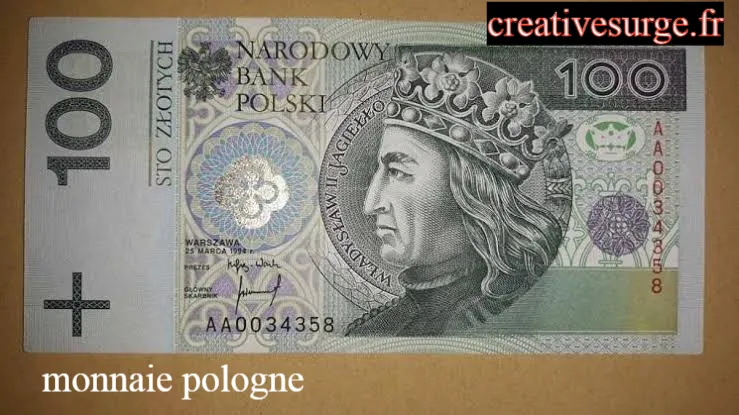
La monnaie officielle de la Pologne est le zloty polonais, dont le code international est PLN. Le mot « zloty » signifie littéralement « doré » en polonais. C’est une devise fière, avec une histoire longue et mouvementée.
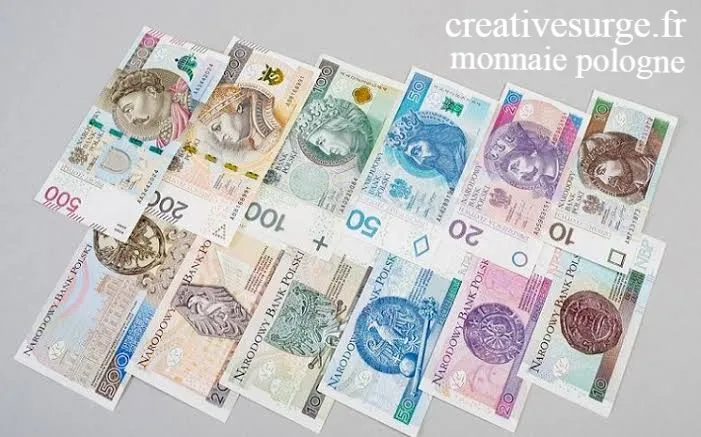
Le zloty se divise en 100 groszy. Vous trouverez des pièces de 1, 2, 5, 10, 20 et 50 groszy, ainsi que des pièces de 1, 2 et 5 zlotys. Les billets existent en coupures de 10, 20, 50, 100, 200 et 500 zlotys.
Histoire du Zloty Polonais : Une Monnaie Ancienne et Résistante
Les Origines du Zloty
Le zloty existe depuis le XVe siècle. Il a été introduit en 1496 comme unité de compte. À l’époque, il représentait la valeur d’un florin rhénan en or. Cette monnaie a traversé des siècles d’histoire polonaise, des partages du pays, des guerres mondiales et des régimes politiques très différents.
Pendant la Seconde Guerre mondiale, la Pologne a connu une inflation catastrophique. Après la guerre, sous le régime communiste, le zloty a été profondément réformé. En 1995, une réforme monétaire majeure a remplacé l’ancien zloty par le nouveau zloty, à un taux de 10 000 anciens zlotys pour 1 nouveau zloty.
Pourquoi la Pologne N’a Pas l’Euro ?
C’est la question que tout le monde pose. La Pologne est membre de l’UE, donc pourquoi pas l’euro ?
La réponse est à la fois politique et économique. Pour adopter l’euro, un pays doit respecter les critères de Maastricht, notamment en matière d’inflation, de dette publique et de stabilité des taux de change. La Pologne a longtemps préféré garder le contrôle de sa politique monétaire, géré par la Narodowy Bank Polski, la banque centrale polonaise. creativesurge
Le gouvernement polonais actuel ne prévoit pas d’adopter l’euro dans un futur proche. Selon des sondages récents, une majorité de Polonais souhaitent d’ailleurs conserver le zloty. La monnaie nationale est perçue comme un symbole de souveraineté et un outil économique efficace.
Taux de Change : Combien Vaut le Zloty Face à l’Euro ?
Valeur Actuelle du Zloty
Le taux de change entre l’euro et le zloty varie chaque jour. En 2024 et début 2025, le taux oscillait généralement autour de 1 euro pour 4,20 à 4,35 zlotys.
Voici un tableau de référence approximatif pour vous aider à visualiser :
| Euros (EUR) | Zlotys (PLN) approximatifs |
|---|---|
| 1 € | 4,25 PLN |
| 10 € | 42,50 PLN |
| 50 € | 212,50 PLN |
| 100 € | 425,00 PLN |
| 500 € | 2 125,00 PLN |
Ces valeurs sont indicatives. Le taux change quotidiennement en fonction des marchés financiers. Avant de partir, consultez toujours un outil de conversion fiable pour obtenir le taux du jour. creativesurge
Évolution Récente du Zloty
Le zloty a montré une bonne stabilité ces dernières années. La Pologne affiche l’une des économies les plus solides d’Europe centrale. Son PIB a augmenté de façon régulière, même pendant les périodes difficiles pour d’autres pays européens.
En 2023, le zloty s’est apprécié face à l’euro, ce qui a rendu la Pologne légèrement plus chère pour les touristes de la zone euro. Malgré cela, la Pologne reste une destination très abordable comparée à la France, l’Allemagne ou les Pays-Bas.
Comment Obtenir des Zlotys : Les Meilleures Options
Vous avez plusieurs façons de vous procurer des zlotys. Certaines sont bien meilleures que d’autres. Voici ce que je recommande après avoir voyagé plusieurs fois en Pologne.
1. Retirer des Zlotys aux Distributeurs Automatiques en Pologne
C’est souvent la meilleure option. Les distributeurs automatiques (nazywane bancomatami en polonais) sont très répandus dans toutes les villes polonaises. Vous obtenez le taux de change interbancaire, qui est le plus avantageux.
Quelques conseils importants : creativesurge
- Refusez toujours l’option de conversion en euros proposée par le distributeur. Cette option s’appelle DCC (Dynamic Currency Conversion). Elle applique un taux bien moins favorable.
- Utilisez une carte bancaire sans frais de change pour maximiser vos économies. Des cartes comme Revolut, Wise ou N26 sont excellentes pour cela.
- Retirez des montants raisonnables pour limiter les frais fixes par transaction.
2. Utiliser un Bureau de Change en Pologne
Si vous préférez avoir du liquide avant de rentrer dans les boutiques ou les marchés, les bureaux de change locaux peuvent être une bonne option. En Pologne, on les appelle « Kantor ». Les Kantors proposent souvent de meilleurs taux que les banques ou les bureaux de change des aéroports.
Évitez impérativement les bureaux de change dans les zones touristiques très fréquentées. Les taux y sont souvent mauvais. Préférez un Kantor dans un quartier ordinaire ou dans un centre commercial.
3. Payer par Carte Bancaire Directement
La Pologne est un pays très développé en matière de paiement électronique. Dans la grande majorité des commerces, restaurants, hôtels et transports publics des grandes villes, vous pouvez payer par carte. Le sans-contact est très répandu. Cela réduit votre besoin de liquide au quotidien.
Option à Éviter : Changer de l’Argent en France
Changer vos euros contre des zlotys en France avant de partir est généralement une mauvaise idée. Les taux proposés par les banques françaises ou les bureaux de change des aéroports français sont parmi les moins compétitifs du marché. Vous perdez de l’argent inutilement.
Utilisation Pratique du Zloty en Pologne
Où le Liquide Est Encore Nécessaire
Même si la carte est acceptée partout dans les grandes villes, le liquide reste utile dans certaines situations :
Source: Comptoir des voyages
- Les marchés traditionnels comme le célèbre marché de la place du Rynek à Cracovie
- Les petits commerces en zone rurale
- Les transports locaux dans les villes moyennes
- Les pourboires dans les restaurants et pour les guides touristiques
- Certains parkings et péages
Les Prix en Pologne : Ce Que Vous Pouvez Attendre
La Pologne est une destination très avantageuse pour les Français. Voici quelques repères de prix courants :
| Article ou Service | Prix approximatif en PLN | Équivalent en EUR |
|---|---|---|
| Café en centre-ville | 8 à 15 PLN | 1,90 à 3,50 € |
| Repas dans un restaurant local | 25 à 50 PLN | 6 à 12 € |
| Billet de tramway ou métro | 3,40 à 6 PLN | 0,80 à 1,40 € |
| Nuit dans un hôtel 3 étoiles | 180 à 300 PLN | 42 à 70 € |
| Entrée dans un musée | 20 à 35 PLN | 4,70 à 8,20 € |
Ces prix font de la Pologne l’une des destinations européennes les plus accessibles pour un budget de voyage raisonnable.
La Pologne et l’Euro : Ce Qui Va Changer à l’Avenir
La question de l’adoption de l’euro par la Pologne revient régulièrement dans les débats politiques. La Commission européenne suit de près l’évolution économique du pays. Techniquement, la Pologne est obligée d’adopter l’euro un jour, puisque le traité d’adhésion à l’UE le prévoit.
Source: Abacor
Cependant, aucune date précise n’est fixée. Les discussions politiques sont complexes. Une grande partie de la population et des dirigeants polonais préfèrent attendre des conditions économiques encore plus favorables avant de faire ce pas.
Pour vous en tant que voyageur, cela signifie que vous devrez encore vous familiariser avec le zloty pour de nombreuses années.
Conclusion
La monnaie Pologne, le zloty, est une devise stable, pratique et bien ancrée dans la vie quotidienne des Polonais. Comprendre comment elle fonctionne vous permettra de voyager en Pologne avec sérénité et de profiter pleinement de votre séjour sans vous faire surprendre par des taux de change défavorables.
Retenez l’essentiel : retirez vos zlotys directement en Pologne via un distributeur, refusez toujours la conversion en euros proposée par les machines, et profitez des prix très compétitifs que ce pays magnifique a à offrir.
Et vous, avez-vous déjà voyagé en Pologne ? Comment avez-vous géré votre argent sur place ? Partagez votre expérience en commentaire, cela peut vraiment aider d’autres voyageurs à mieux se préparer !
Questions Fréquentes sur la Monnaie Pologne
H4 : Quelle est la monnaie utilisée en Pologne ?
La monnaie officielle de la Pologne est le zloty polonais, dont le code est PLN. La Pologne n’utilise pas l’euro malgré son appartenance à l’Union européenne.
H4 : Peut-on payer en euros en Pologne ?
Non, pas officiellement. Quelques commerces touristiques peuvent accepter les euros, mais le taux appliqué est souvent mauvais. Il vaut bien mieux payer en zlotys ou retirer des zlotys à un distributeur.
H4 : Quel est le taux de change euro zloty aujourd’hui ?
Le taux varie chaque jour. En 2025, il tourne généralement autour de 4,20 à 4,35 zlotys pour 1 euro. Consultez un outil de conversion en temps réel avant votre voyage pour avoir le taux exact du jour.
H4 : Où changer ses euros en zlotys en Pologne ?
Le meilleur choix est le distributeur automatique local ou un Kantor, bureau de change polonais, en centre-ville. Évitez les bureaux de change des aéroports et des zones très touristiques, où les taux sont moins avantageux.
H4 : Faut-il emporter du liquide en Pologne ?
Oui, une certaine somme en liquide reste utile pour les marchés, les petits commerces et les pourboires. Mais la carte bancaire est acceptée dans la grande majorité des commerces des grandes villes polonaises comme Varsovie, Cracovie ou Gdańsk.
H4 : La Pologne va-t-elle adopter l’euro prochainement ?
Non, pas dans un futur proche. Aucune date d’adoption de l’euro n’est fixée. Le gouvernement polonais et une majorité de la population souhaitent conserver le zloty pour l’instant.
H4 : Quelle carte bancaire utiliser en Pologne pour éviter les frais ?
Les cartes sans frais de change comme Revolut, Wise ou N26 sont idéales pour voyager en Pologne. Elles appliquent le taux interbancaire et évitent les frais de conversion habituellement facturés par les banques traditionnelles.
H4 : Comment reconnaître un bon bureau de change en Pologne ?
Cherchez un Kantor en dehors des zones touristiques. Comparez toujours les taux affichés avant d’entrer. Un bon Kantor affiche un faible écart entre le taux d’achat et le taux de vente, appelé spread.
H4 : Combien d’argent faut-il prévoir par jour en Pologne ?
Pour un voyageur confortable, un budget de 150 à 250 zlotys par jour (environ 35 à 60 euros) couvre repas, transports et activités de base. Varsovie et Cracovie sont légèrement plus chères que les villes moyennes.
H4 : Le zloty est-il une monnaie stable ?
Oui, le zloty est considéré comme une monnaie relativement stable en Europe centrale. La Banque nationale polonaise, Narodowy Bank Polski, gère activement la politique monétaire pour maintenir cette stabilité.
À Propos de l’Auteur : est journaliste spécialisée en finance personnelle et voyages européens depuis plus de dix ans. Ancienne conseillère en gestion de patrimoine, elle parcourt l’Europe centrale chaque année et partage ses conseils pratiques pour aider les voyageurs francophones à mieux gérer leur argent à l’étranger. Elle a notamment séjourné à Varsovie, Cracovie, Wrocław et Gdańsk, ce qui lui permet d’écrire sur la Pologne avec une connaissance de terrain authentique.